


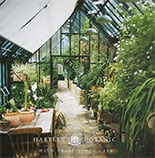

In November the light comes into the greenhouse sideways. It arrives late and leaves early, and in between it lies low across the empty staging, catching the dust on the glass and the last brown tendrils of the tomato plants. I find I go in less to work than to stand there for a minute, out of the chill wind, in a room that still, occasionally, smells faintly of summer. The greenhouse in winter is a quieter place, more storeroom than nursery: somewhere to keep things safe until the year turns.
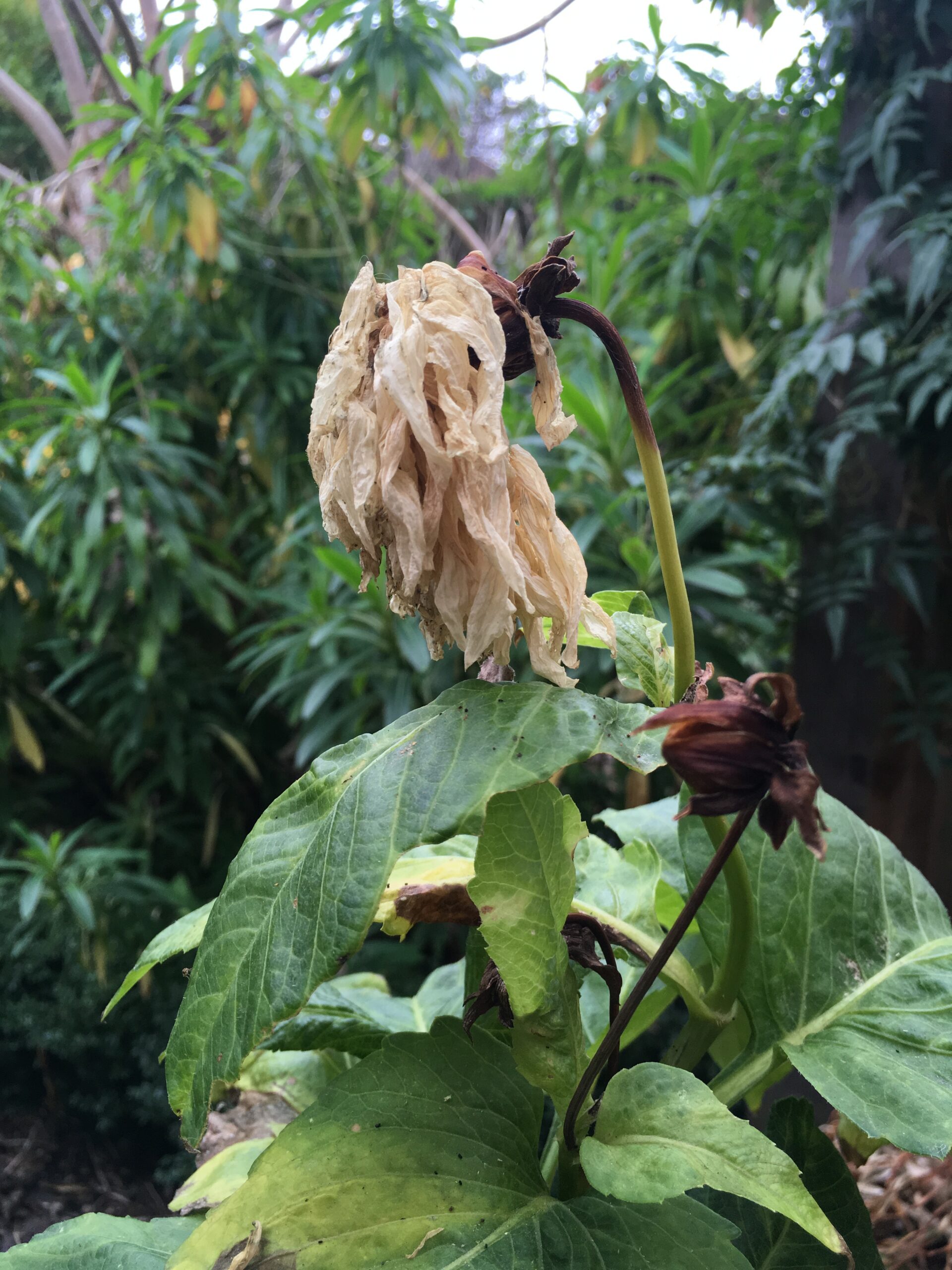
The first thing I keep there is my dahlias. The tips have turned black now but I will wait until the first proper frost has blackened all of the foliage; that’s the signal that the plants have finished and drawn their energy down into the tubers. I then cut the stems back to about 15cm and lift each clump with a fork, pushing it into the ground at a bit of a distance so that I don’t spear the tubers. I label them as I go, religiously. Once they’re out of the ground, ‘Arabian Night’ and ‘Café au Lait’ look exactly alike, and I’ll have no idea which is which come spring.
Next, shake or rinse off the soil and turn the clumps upside down to dry for a week or two, somewhere airy and frost-free. Dahlia stems are hollow and so they hold water, and that water is what rots tubers in store, so let them drain. A greenhouse bench is great for this.
When they feel dry, pack them into trays or boxes of dry compost, sand or vermiculite, leaving the old stem stubs just showing. Old polystyrene fish boxes work well, as do wooden crates. Then put them somewhere cool, dark and dry. Many gardeners use the space under the greenhouse staging, and so do I, with one caution. An unheated greenhouse is not frost-free: on a clear, still night the temperature inside can fall below freezing. I keep a max-min thermometer on the staging, line the glass with bubble wrap, and throw fleece or old sacking over the boxes when a hard frost is forecast. A small frost-protection heater set just above freezing gives real peace of mind. Somewhere around 4–7°C is ideal.
Check the tubers once a month, the point being to cut out anything soft or mouldy before it spreads. If they’re shrivelling, give the compost the lightest mist of water. In March it will all get exciting again and I will pot them up and bring them into growth in the warmth, and the first shoots make good cuttings.
If you garden on light, free-draining soil somewhere mild, you can leave dahlias in the ground under a thick, dry mulch. But on heavy clay like mine they will almost certainly rot. Lift them.
Right now, the rest is housekeeping. I have cleaned the glass, because winter light is too scarce to waste, and I am opening the vents on mild days to keep the air moving and grey mould at bay. Anything in there is watered sparingly and in the morning, so that no plants sit damp overnight.
This is a good time to have a little nosy peek into the corners and see what else is overwintering in the greenhouse’s nooks and crannies. Each winter I find a few ladybirds clustered in the angle of the frame, and once a peacock butterfly folded up like a dead leaf on the roof bar. Leave them well alone. They’re doing exactly what my dahlias are doing: waiting, in the cold under glass, for the year to turn.