



Jean Vernon unravels how our garden borders and their plants benefit the little things in and around our gardens.
Sometimes when autumn sets in it feels like the garden is over, but actually our beds and borders have very vital roles in the bigger scheme of things. Many of the benefits are obvious but others may not have occurred to you.
If you think about it we didn’t have insect houses fifteen years ago. The insects used all sorts of nooks and crannies in and around our gardens to nest and overwinter. Today our bee houses and insect boxes are a way of getting a closer look at the fascinating world of mini-beasts.
But where in our gardens do these little creatures live? Well … many of them are part of our garden borders and live inside, among and around our autumn perennials.
So, don’t be too hasty cutting back the autumn borders, they are home and shelter for many, many beneficial creatures. If you do need to cut a few things back, then please don’t put the clippings through the shredder, especially if they are hollow and don’t add them to the bonfire-night pyre.
Hollow stems
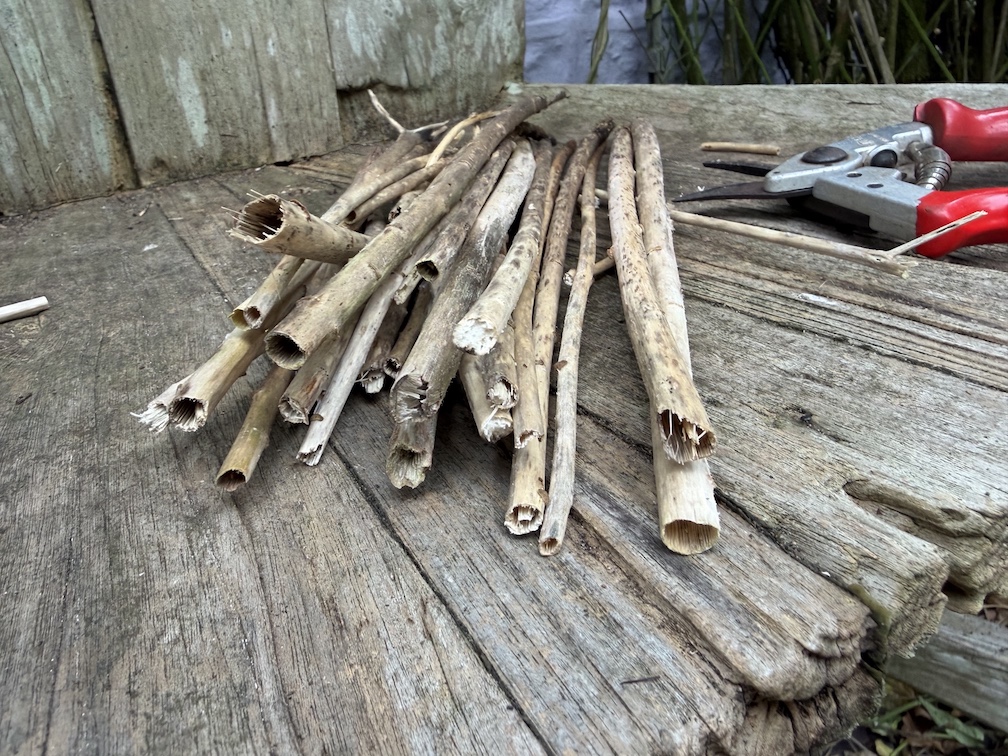
Take a closer look at your perennial stems. You might be surprised to see that many of them are hollow and that means they may well have cavity nesting solitary bees and solitary wasps nesting in them. If that freaks you out, just stop a moment and consider that these little creatures are powerful pollinators. Many are better pollinators than our favourite honeybees and that’s because solitary bees are very very messy and get covered in pollen as they move from flower to flower.
You can actually take this a huge step further and collect up hollow stems, dry them and pack them into a suitable canister ready for them to nest in next season. Or build a habitat stack and fill it with dead wood and hollow stems for nesting and overwintering sites.
Lots of plants have hollow stems, like lilies, agapanthus, foxgloves, verbena, angelica, lovage and lupins, but explore this and look closer. Look for a diversity of cavities from 2mm to 10mm to cater for different species. Any solid stems and sticks that are allowed to break down may attract adult beetles to lay their eggs there and the beetle larvae will feed on the rotting wood. One of the secret benefits of beetles is that they are free slug control as they eat slug eggs and baby slugs. Imagine that free, non toxic slug control.
Plant crowns
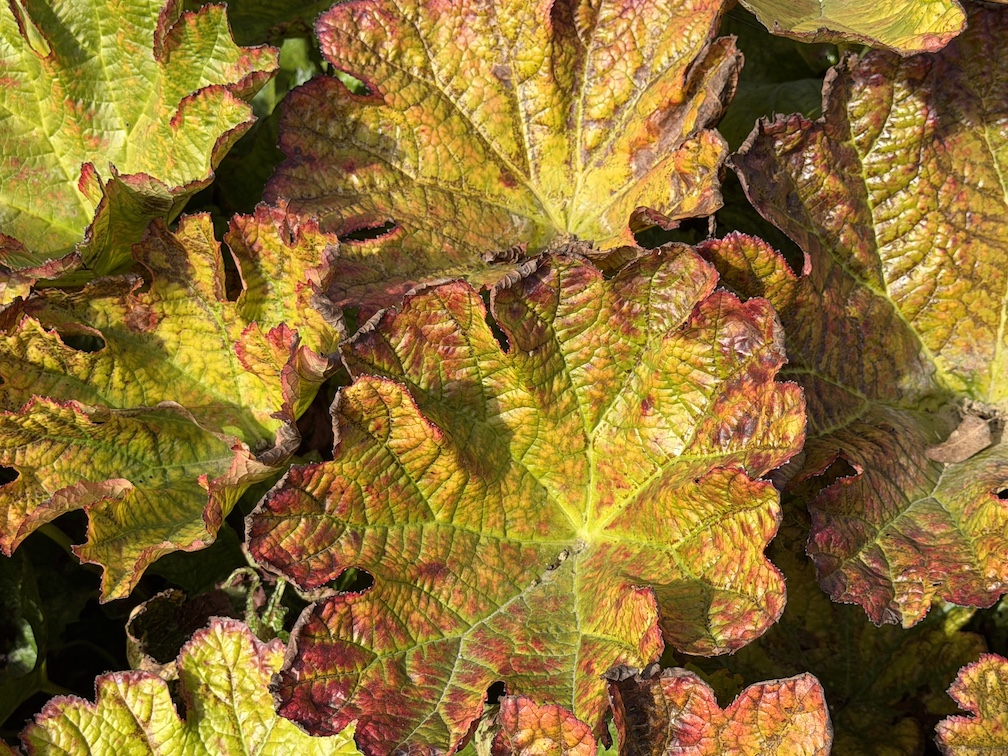
At the base of many autumnal perennials is a crown, where the roots meet the soil and the buds of next year’s growth are nestled. So that when you do cut back the plants these crowns are a huge overwintering site for many creatures. Many baby caterpillars and moths will move to the plant crowns where they spin a cocoon and overwinter until spring. Some will become food for larger predators like hedgehogs and birds, but those that survive in the protected climes of your plant crowns will emerge next year as the adult butterflies and moths that we revere. Plant crowns also protect the plant roots and the dormant buds. And don’t forget about the gnarly roots of some of your plant clumps, these too will offer protection and nesting sites for all sorts of creatures. Mulch thickly around your plants and you actually protect the plant crowns from extremes of temperature and the mulch will break down and naturally feed your plants.
Seed heads
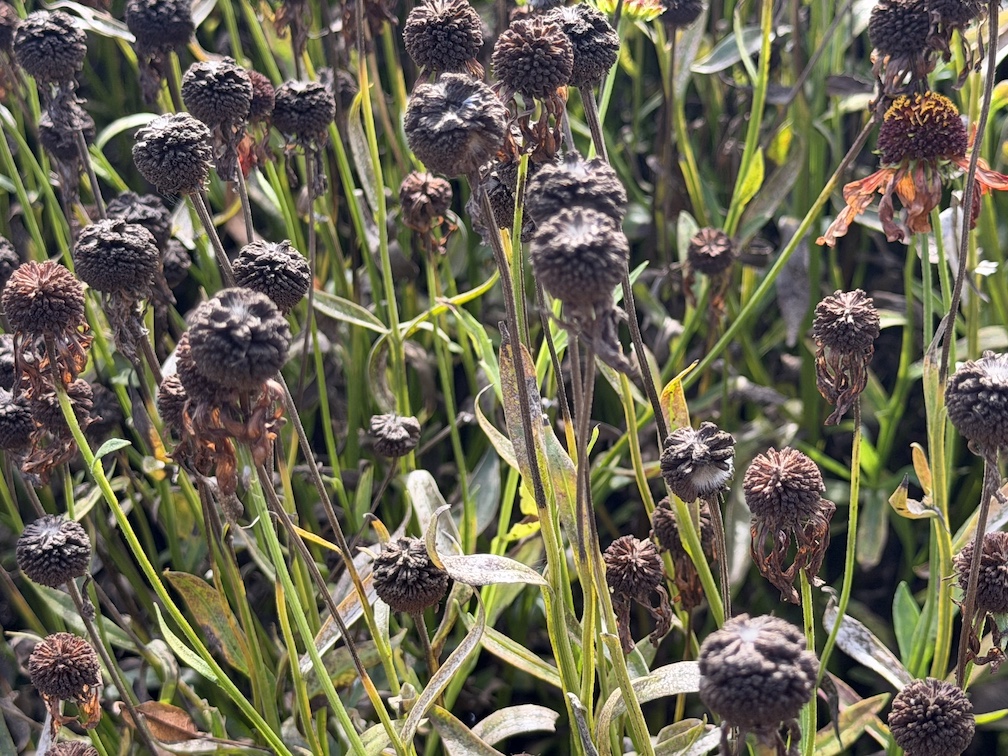
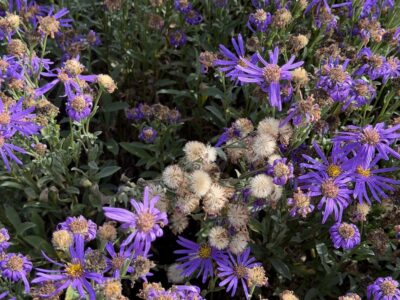
The stems and seed heads of the autumn border offer much more than structure and winter interest in the frost. These are vital food sources for the garden birds. So many of our garden perennials have nutrient rich flower seeds that are natural bird food. And many will self seed within the garden creating new plants that can be relocated or gifted to gardening friends. Look at the layers of seed heads in the garden and you will see the spiky heads of echinacea and echinops – the name indicated the hedgehog like seed heads and the bulbous seed heads of Japanese anemones, and don’t forget the grasses. They are rich in seeds for the birds. Add in the sunflowers, knapweeds, thistles, asters, helenium, eryngium and teasels and the buffet caters for even more of our feathered friends.
No-dig
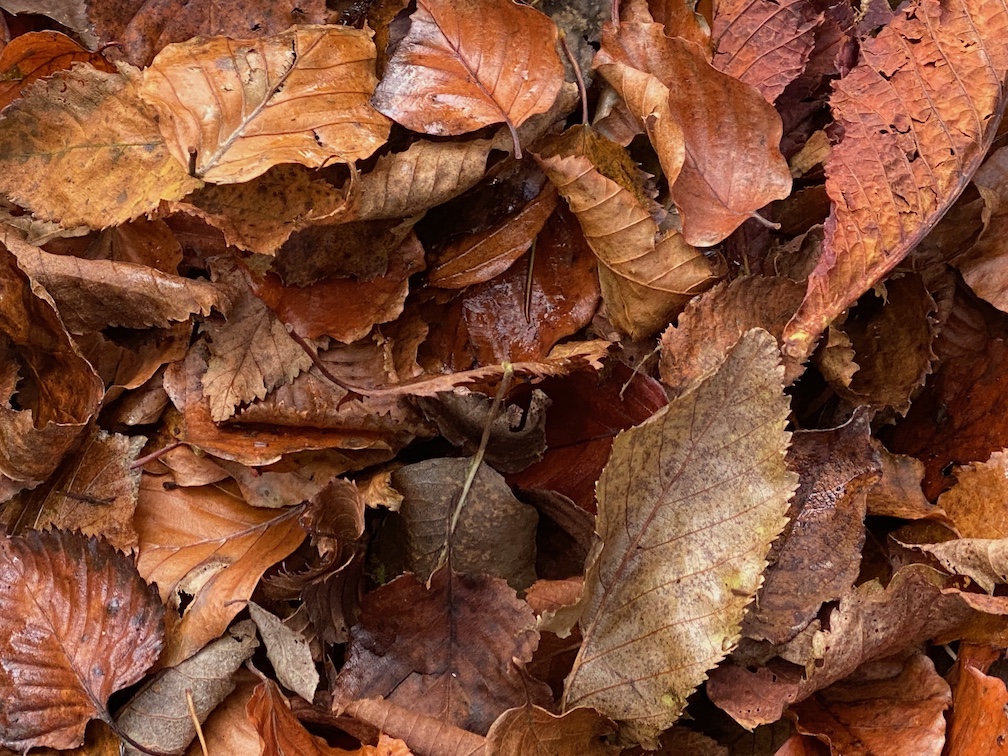
There are so many benefits to using the no-dig philosophy from allowing the soil structure and all the microbes and mycorrhizal fungal strands remain intact to enabling mining bees and other soil dwellers to nest safely. Permanent beds and borders full of perennials are the perfect way to exhibit the benefits of no-dig. Mulch around your plants to feed the soil, protect the plants over winter and to retain soil moisture. Permanent planting becomes more resilient to climate change and allows the plants to put their roots down and establish into strong and healthy specimens, while protecting any mini-beasts living in the soil.
Leafy protection
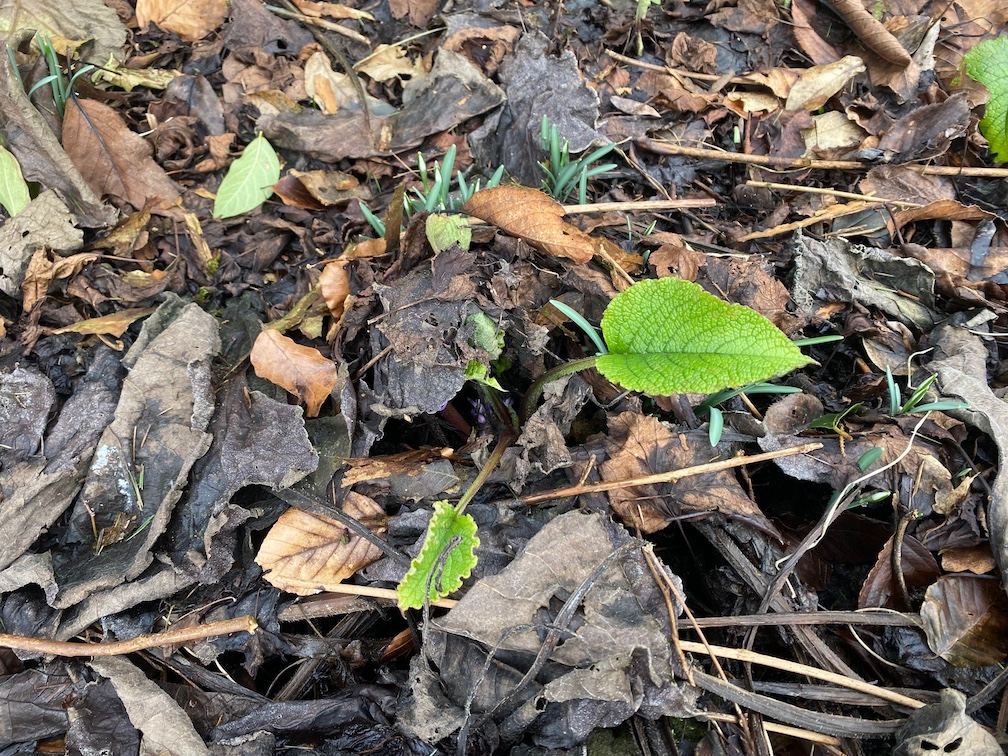
As the plants slide towards winter and the leaves die back, those leaves can protect the plant beneath. Rather than fastidiously tidying away the leaves, let them break down naturally around your plants. They will feed the soil as they break down, but they also add a layer of protection for the plant crown beneath and indeed any overwintering mini-beasts. And the same goes for the carpet of autumn leaves that clothe the soil around your border plants. Leave it be (sorry for the puns). So many creatures hunker down in the leaves. It’s fine to sweep up leaves on the paths to prevent slip hazards, but pile them up somewhere for mini-beasts and other creatures to shelter. And don’t be surprised if you find Mrs Blackbird rummaging around in the leaves looking for tasty morsels. But in the perennial garden please leave them be, they are part of the garden matrix and do more good than harm.