


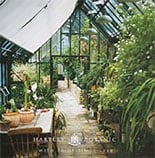

Interesting times lead to engaging decisions. The weather is unpredictable, blowing hot and cold like a moody teenager, and water restrictions are entirely the opposite, like an eternally staid and stern great Aunt that we all need when times get tough, what can one do, other than put on the thinking hat and reassess. C’est la vie…as they say.

Going around the garden like a school marm at report card time, I’ve been marking plants as could do better, sterling performance against the odds, will be sent down before next term. In the last category falls the tomatoes. I swore off them last year, but this season is the death knell ringing them out of the garden and to the compost heap. But what have really been the standout performers are herbs (no surprise there), and scented-leaf geraniums. Lavender ‘Phenomenal’, which is true to its name, will always have a place, as will rosemary ‘Arp’ with pale grey-green leaves and a tidy upright habit, raised in Texas by Madalene Hill at her renowned herb garden Hilltop Herb Farm.
I knew Madalene in her closing days when she was the garden brain behind the landscaping and various themed gardens areas at the International Festival Institute in Roundtop, Texas. The Pharmacy Garden was her special domain, and with Mike Shoup’s Antique Rose Emporium just 30 minutes away from Roundtop, John Fairey’s Conservation garden (formerly known as Peckerwood Gardens) and the Yucca Do Nursery similarly in striking distance, the area became a pilgrimage trail for this English garden transplant. It was an exciting time for me to be gardening in this new world, and quite the voyage of discovery.

Drawing inspiration from those days and innumerable visits to these gardens and more, my herbal plant palette is set to explode. And so is my waistline, since many of the herbs I intend to introduce are exotics, destined for the kitchen. If Italian recipes appeal to you as they do me, they call for garlic and freshly pulled bulbs, given a few days to mature – or not – have a sweetish taste that vanishes as they dry, and that sweetness is a perfect balance to the stock and parmesan of good risotto made with chubby grains of arborio rice. I like to ‘punish the rice’ in hot oil until it lets out little audible squeaks before I add the stock and stir in the herbs and cheese. Finish with a generous pat of butter, cover and let the flavors bind for a few minutes before serving with a few coarse grinds of black pepper.
Just as for garden use, seeds for flavor are best used fresh – goodness knows how long they’ve been fading in supermarket jars. Fresh cilantro leaves are a great part of East Indian curry, Mexican dishes of every kind, and even Greek salads. The first time I tasted a leaf was in Greek restaurant in London’s Soho. I took a forkful of salad and thought that someone had accidently dropped some soap in the bowl. I mentioned this to the waitress and when she stopped laughing said, “No, dearie, it’s coriander”, as it’s called ‘abroad’. Here, coriander is the seed, when ripe has a pleasing orange savor, but fresh should be avoided – tastes of bugs.

Cumin seeds, too, appear in many of our favorite Mexican and Asian recipes, and like coriander/cilantro, cumin is easy to grow and a pretty addition to the garden with dainty clusters of white flowers floating through and above the border. Seeds of black cumin come from Nigella sativa, similar in flowers but not to be confused with the ornamental garden annual Love in a Mist, which is N. damascene. The herbal sort has a sturdy stem and long taproot that makes it a certain winner in hot, arid climates.

I wish now I had kept the curry plant I raised from a cutting; the long tapering leaves are tough but when added to a sauce add a rich herbal undertone I can’t describe. An essential ingredient to curry from south India; sprigs can be found in the chill cabinet of Asian grocers. South Texas is where curry plant is farmed, so that’ll tell you that elsewhere is ideal for growing in a heated greenhouse, where it will make a handsome willowy tree; the cutting I was given came from a tree growing in a south facing window of a Denver house. It’s hugely versatile…I’ve tried a few leaves fried and crumbled over buttered popcorn…really brings the snack to life. Murraya koenigii is the curry plant for culinary use, and not the same thing as the grey leafed shrub, Helichrysum tianshanicum, which has a faint aroma of curry leaf, but is purely an ornamental well-suited to xeric gardens.
©Ethne Clarke, 2026
About the Pharmacy gardens, visit https://www.herbsocietypioneer.org/pharmacy-garden/