



Start Amaryllis bulbs into growth, watering sparingly at first; just trickle a little tepid water around the bulb, gradually increasing the amount as the bud appears. Once it is actively growing, keep the compost constantly moist but not waterlogged and take care not to wet the growth tip. The growing temperature should be around 20C, so when it’s time to make the move from the greenhouse for their seasonal show, put them on a warm sunny windowsill for maximum light. Don’t leave them between the curtains and window at night as the temperatures drop considerably. Place them away from radiators and keep room temperatures moderate to prolong the flowering period. Stake the flowering stems carefully to prevent them from leaning over, rotate the pot a quarter of a turn each day for even growth, then sit back and admire their glorious trumpet flowers.
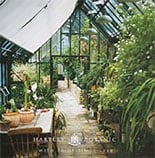
Open greenhouse vents for as long as possible on mild sunny days, to stop the interior from heating overheating, shutting them before temperatures drop – usually by early afternoon. Automatic vents will do this for you. High temperatures and low light levels encourage soft spindly growth and grey mould which spreads rapidly in cool, damp conditions. Air circulation can be maintained on cooler days with the help of a fan. Protect plants in an unheated greenhouse by covering them with horticultural fleece, removing it during the day, unless temperature are so low that they still need protection, or you have insulated your greenhouse with bubble wrap. You can compartmentalize your greenhouse, dividing it into areas of hardier and tender plants to reduce heating bills and avoid bubble wrapping the whole structure.
Sow leftover peas, about 5cm apart into pots or deep trays of used multipurpose compost. The tips can then be harvested with a pair of scissors for late winter or early spring salads when they are two or three inches tall. Any leftover compost can be used to top up greenhouse beds.
Look out for over-wintering aphids, whitefly, red spider mite and slugs hiding under pots and control them immediately. Continue successional sowing of salad leaves in pots and trays; warming the compost in a heated propagator beforehand to hasten germination.
Pick off dead leaves and flowers from plants regularly, to prevent fungal infections.
If you have a vine growing in your greenhouse, cut all of last year’s side shoots back to one or two buds from the main stem or rod, then detach the main stem from its ties if needed, bringing it down to working height before scraping off the loose bark with an old knife. This is often a hiding place for mealy bug and scale which can then be treated with an environmentally friendly spray.
Water plants only when necessary to reduce humidity within the greenhouse.
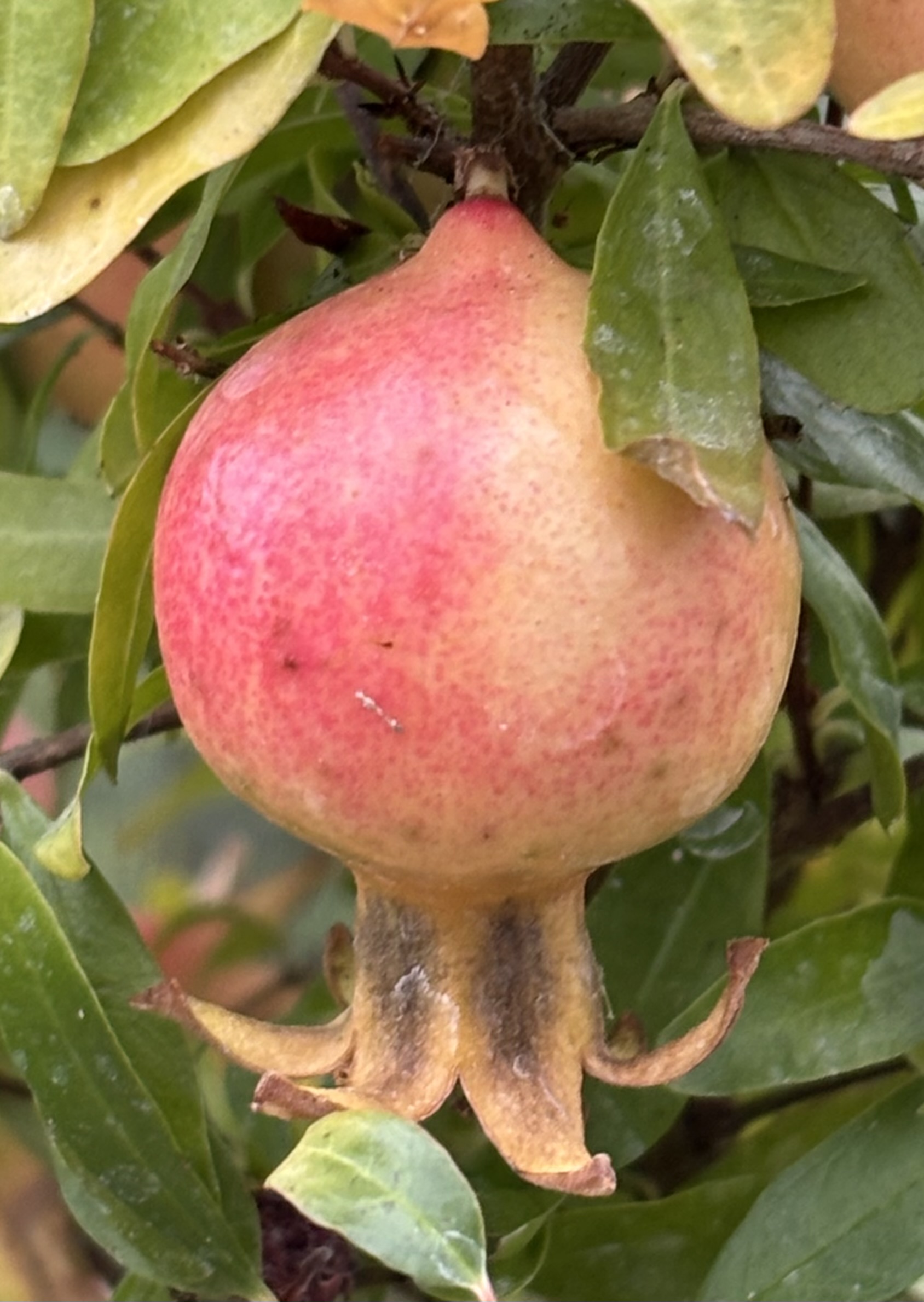
Feed citrus with winter feed as needed, maintaining a minimum temperature of 5C. Don’t be tempted to bring them indoors as they dislike dry air and centrally heated conditions.
Ensure that gutters and down pipes remain clear of leaves and debris, collecting the rainwater in Hartley Water Butts, the ideal Christmas present from you to you!
Boxing day is the traditional time for sowing onions.
Have a happy festive season, take care and stay well. Matt