



Embrace some fresh ideas and inspiration from Japan and create a space that looks lovely but that also has health benefits too.
The English garden is often celebrated as being superior, partly due to their romantic style and the extensive garden history. But in fact, we can learn so much from other cultures and the way that they live and the way that they garden.
Sometimes it is the use of different plants that creates a fresh approach. While other garden styles go a lot deeper.
I’ve always been a bit intrigued by the power of peace that Japanese gardens create. They seem to embrace the essence of calm, while creating a balance between hard landscaping and the more gentle essence of nature. We can learn a lot from some of these ideals and philosophies and apply some to our gardens. By harnessing some garden ideas from Japan, you could improve your mental health, reduce stress and really connect to nature.
Japanese gardens are simpler than many European creations, creating a sense of calm and providing space for contemplation and mindfulness to support mental well-being. You don’t have to redesign your whole space; you can introduce a few new ideas to smaller areas and see whether it has any positive effects on your enjoyment of your garden space. You might be surprised at the benefits that even a small change can make.
Calm and contemplation
There’s something very calm about Japanese garden design. It tends to use more minimalist design techniques to encourage reflection and contemplation on the little things that matter, inducing a mindfulness approach to the appreciation of every part of the garden design. It gently trains the brain to focus on each separate aspect, allowing the brainwaves to slow and creates a true sense of calm. Many garden designs use this technique, slowing down the pace and using symbolism and focal points to ‘trick’ and train the mind. Many of the elements are low-maintenance too, reducing the need for some of the more time-consuming garden tasks.
Form and function
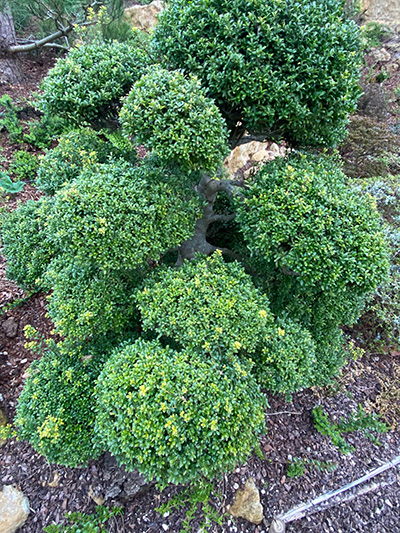
Japanese gardens often rely on harmony to create a pleasant and peaceful space, embracing the essence of nature so that the two blend seamlessly. Plants and artefacts are chosen for their form and their longevity in the design so that they provide year-round interest. Plants like topiarised evergreens and miniature bonsai trees, can be used as a focal point, focussing attention on the changing seasons and the tiniest detail of shape, form and function. Each bonsai tree, is meticulously sculpted to reflect wind direction and the finest form of the aged tree. Topairy, while high-maintenance, creates a permanent presence in the garden and can be pruned to form boundaries in the garden, or as sculpture. The year-round presence anchors the garden design and creates structure and an established feel.
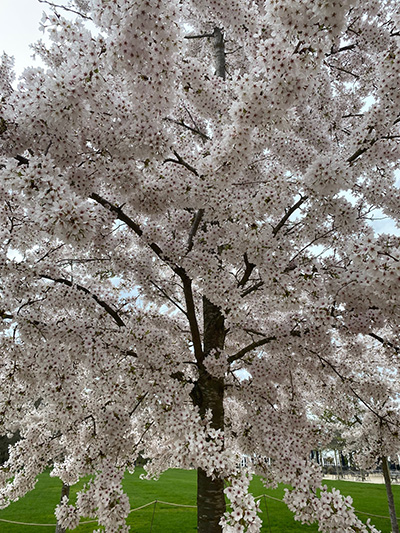
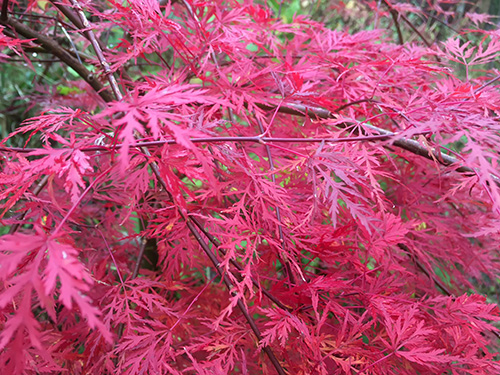
Trees, like prunus, clothed in swaths of delicate blossom play an important role in spring gardens where the fabulous blooms are fleeting, but return year after year, symbolising renewal. In Japan families picnic beneath the cherry blossom trees to celebrate the fabulous display of flowers. But the autumnal hues of the cherry trees and also the Japanese maples, create an important display of seasonal wonder in autumn, as the seasons slide towards winter and the leaves start to fall.
Watery effects
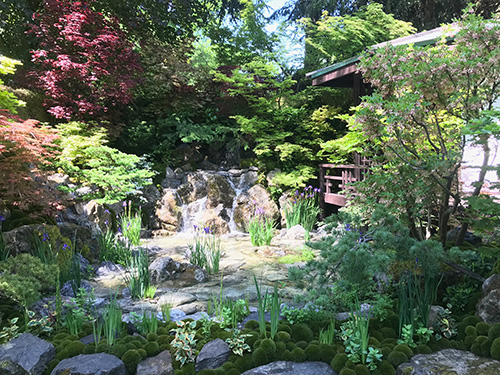
The sound of moving water engages the senses and slows the journey through the garden. The sound of running water or the drip of water droplets into a calm pool create a fresh focal point to enhance contemplation or meditation. Tuning in to the movement or the droplets focuses the mind. Moving water represents the continuity of life and also the process of cleansing, taking negative energy away. Reflections in a pool are also powerful symbolism, creating a dual effect sense of tranquillity married with a deep and visual harmony symbolised by the depth of the pool and the layers beneath.
And if you don’t have room for water, consider a graceful gravel garden, raked gravel represents water and creates a surface for reflection and contemplation. Even the rocks represent mountains. All of these features are low maintenance unlike the equivalent lawn or herbaceous borders favoured in English gardens.
Add some moss-covered rocks and stones and almost instantly a cooler atmosphere pervades the space, creating a tranquil and calming. This fresh, rich, deep green texture accentuates the link with nature and the healing benefits of vitamin G (gardening). It’s also year-round. A moss garden is green throughout the year and in the winter the frosty fronds are even more spectacular.
In some Japanese gardens Koi carp swim majestically in deep pools. They have powerful symbolism in Japanese culture and are considered to be a sign of love, good luck, good fortune and prosperity.
Beauty in mending
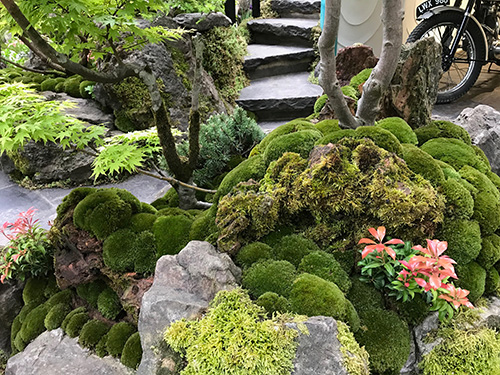
One of the Japanese philosophies that I really admire is called Wabi Sabi. In essence it’s about finding the beauty in age, wear and imperfection. It’s something that we do intuitively in gardening if we admire the autumnal hues of the leaves falling, or we incorporate rotting wood or weather worn stone in our plots. I suppose in a way the trend of crazy paving is a loose example of this, but Wabi Sabi is much, much deeper than that.
The Japanese art of Kintsugi, or mending with gold goes even deeper, transforming broken pots by repairing with golden joints. Golden dust is missed with a repair adhesive and elevates the cracks into something beautiful. Kintsugi celebrates the history of an item and finds beauty in imperfections. In many ways it’s a powerful metaphor for us to embrace that our scars and imperfections are something to celebrate, reflecting a journey and life well-lived. It’s also a powerful action in terms of recycling and a great way to re-use, repair and restore something rather than sending it to landfill. We can harness this technique to mend broken terracotta pots, or create a mosaic using broken crockery mortared with gold. And again, tackling projects with this mindset is uplifting and satisfying, boosting mental health and well-being.