



This year start keeping notes about your garden. A garden journal is such a useful tool, says Jean Vernon.
I spend most of my working time writing, so you might be surprised that I’m not that good at journaling. And yet there are so many times every year that I wish I’d kept better notes of my gardening antics. When did I start sowing? Which was the compost that I tried and hated? Where did I plant those peonies??
Keeping a diary can be so very useful, especially when you need to look back on previous years. This year as the new year starts, resolve to keep notes of your garden highs and lows.
Photographic journal
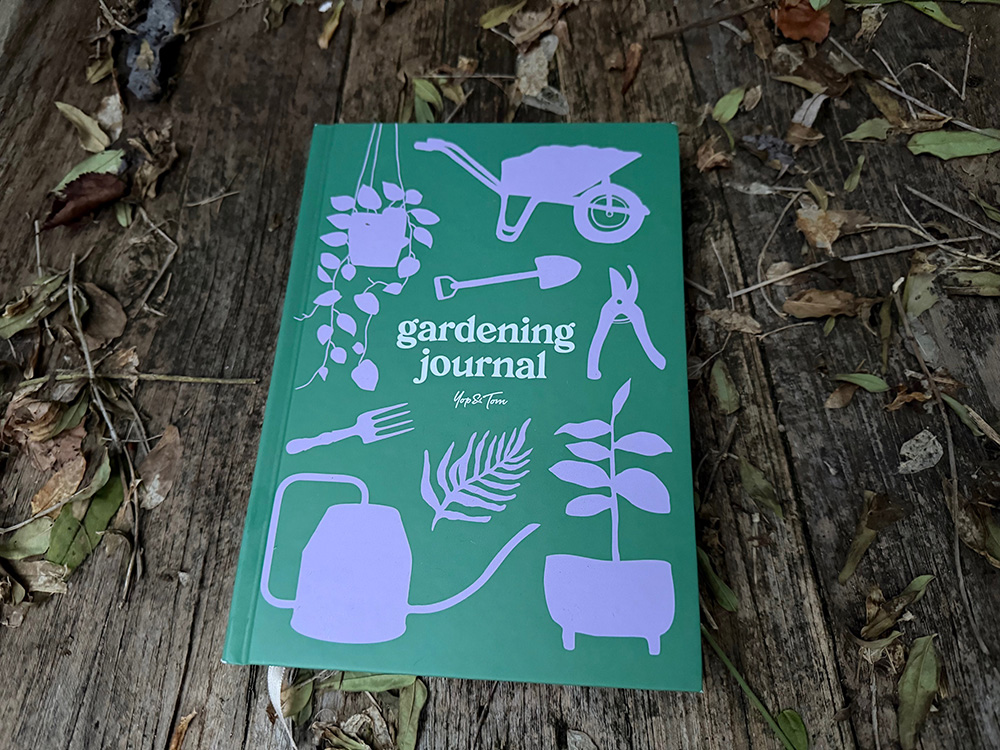
Not everyone is good at writing notes, or keeping a diary or a journal, and you don’t have to be. Instead, why not use your phone camera to keep a visual record of your progress? If you get into the habit of taking your phone outside with you, use a lanyard and hang your phone around your neck, or buy a waterproof pouch to keep it safe and dry while out in the garden. The great thing about taking photos is that you have a date and even a time when the picture was taken and a photo-roll in date order on your phone. It also a great way to identify plants in your garden that you’ve inherited and you’ve no idea what they are. With a photo you can ask for advice on some of the many forums online or from a knowledgeable friend. If you have an iPhone you can swipe up for plant information which is also very useful.
Regular input
Whether you are just taking images or making notes, do it often, preferably at least once a month, or when you are tackling a lot of things in the garden. So, you might be sowing seeds, take photos of the packets and the way you sow them and the compost you have used. It’s a fast way to record and will save you lots of effort later remembering what you sowed, when it was and which compost you used. This is especially important if the seeds don’t germinate or you have a concern later on, you can look back and see what you did and when. Plant labels are useful too. But if you can journal, label and take photos then you’ve got a really useful source of information going forward.
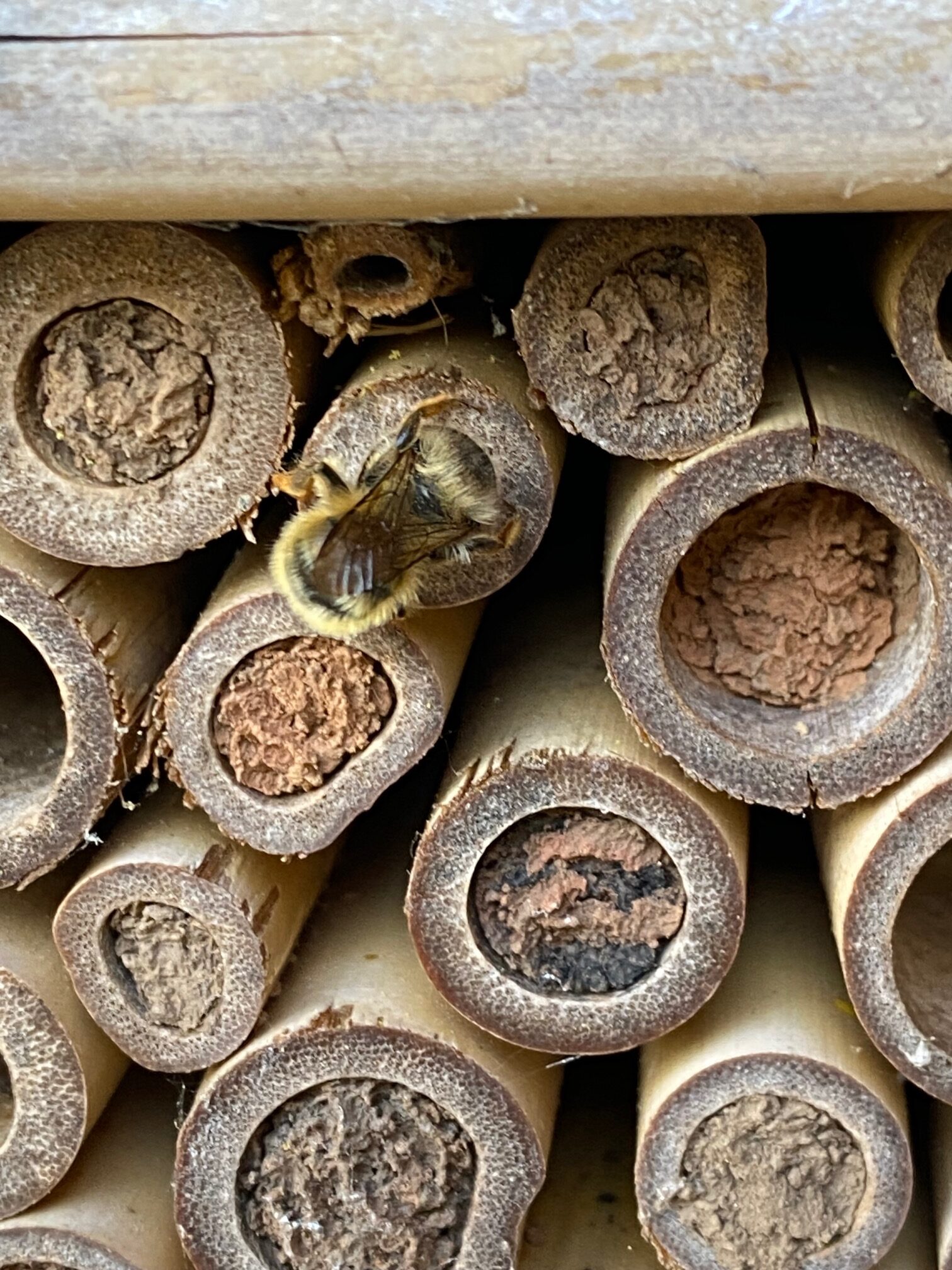
A box of empty seed packets also reminds us what we have sown and grown. There’s nothing worse than forgetting the seed varieties you’ve tried this year especially when you’ve had something that has outperformed everything else. And again that’s where records help. But photos help all around the garden – I like to take photos of my bee houses to see which tubes have been occupied and when the house is full or almost full.
Border control
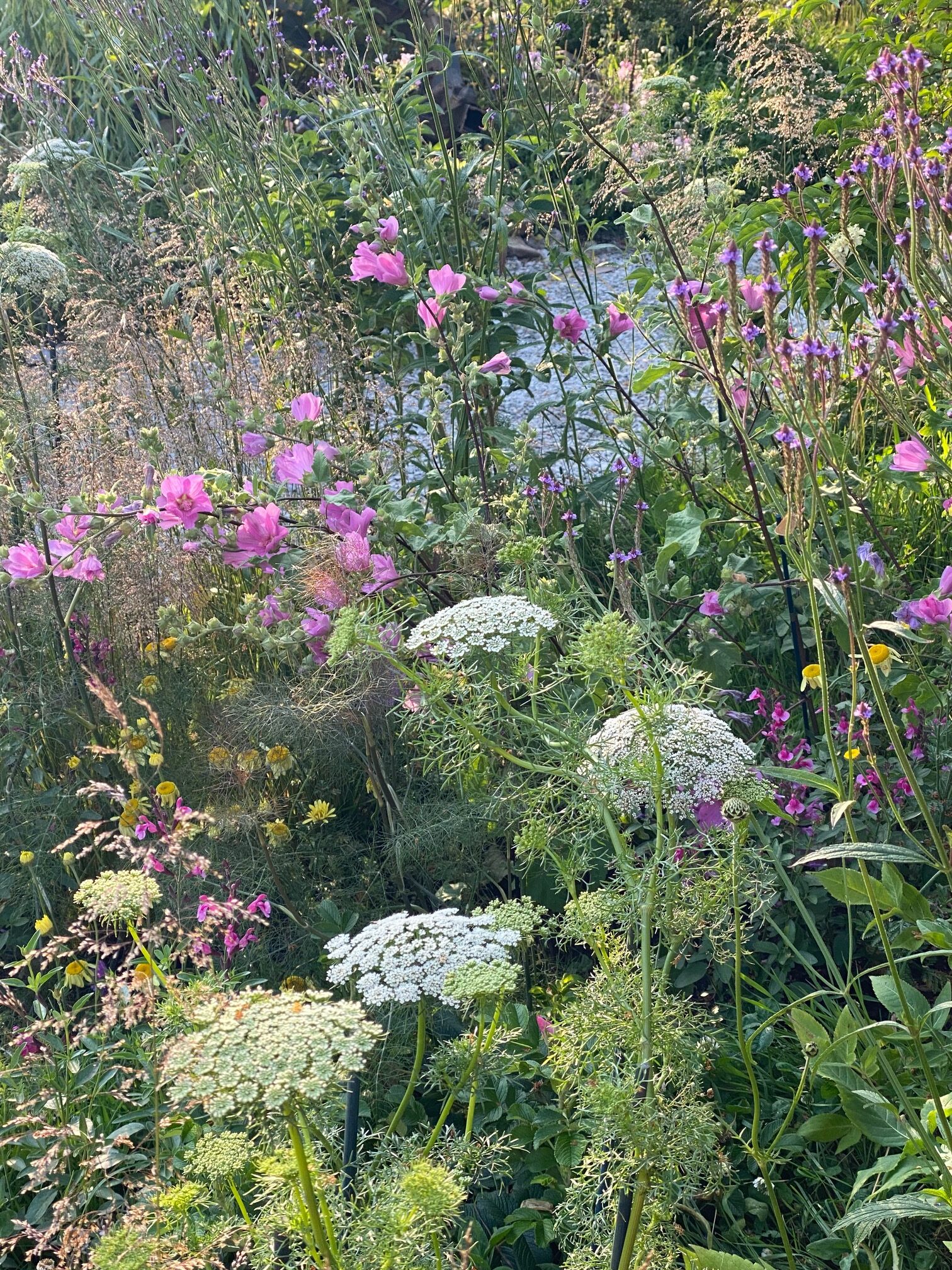
Right now, our borders are skeletal. Whether you’ve cut them back to the crowns, or left the stems intact for hollow-stem nesters and seed heads for the birds, it’s a great time to take some photos and make some notes. Where are the gaps that need filling? Where is the colour and interest forming in mid-winter? Are the bulbs starting to emerge? Keep a note of the weather too; temperature, rainfall and even warmer spells can be such useful information. If you can make a sketch even better, then you can plan how to embellish the planting for the future. That might mean a new shrub to fill a winter gap, or a reminder as to which bulbs or perennials need dividing or thinning when the weather allows.
Make it fun
It doesn’t need to be all about jobs. Keep a record of the wildlife that visits including the insects and even the things you might consider to be ‘pests’. If you have an unwelcome visitor, explore kinder ways to deter them and keep a record.
Feed the birds and record which species visit and which food they prefer. Get involved in some citizen science, like the Big Garden Bird Watch or Big Butterfly Count.
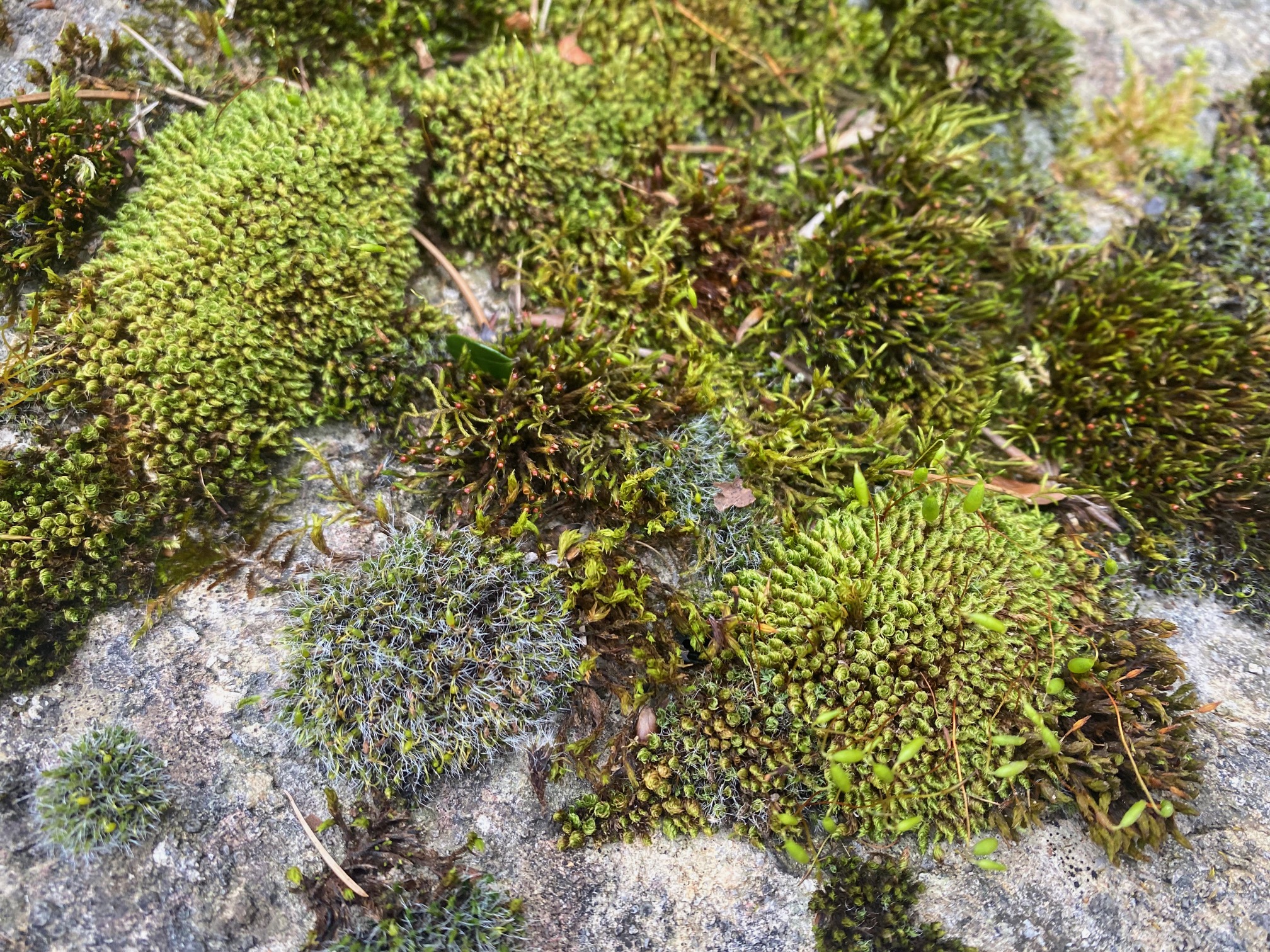
If there’s something else you are interested in, then explore a new hobby. It might be moths? So, make a light trap and start recording which moths visit your garden. Keep notes and take photos and you will build a fascinating gallery of information. And who knows your garden might be harbouring something rare. It might be moss? Winter is a great time to notice moss and lichens. Take photos and make notes. A moss garden is very beautiful and will change with the seasons.
Engage the youngsters and get them involved. Focussing on the little things can open up a whole new world. Let them add a sketch or a drawing to the journal or help them take photos. Finding exciting things in the garden is like hunting for treasure, whether it’s a little bird you’ve never seen before or maybe an insect or other creature that you’ve uncovered while gardening, it’s a great way to learn about new-to-you species and a wonderful thing to write about in your journal.
Host a morning coffee event for a friend or a small group of people and write it down, take photos, share recipes and swap seeds and cuttings. Or join your local garden club and use your journal to make important notes about things you learn from speakers or other members.
Learn new techniques
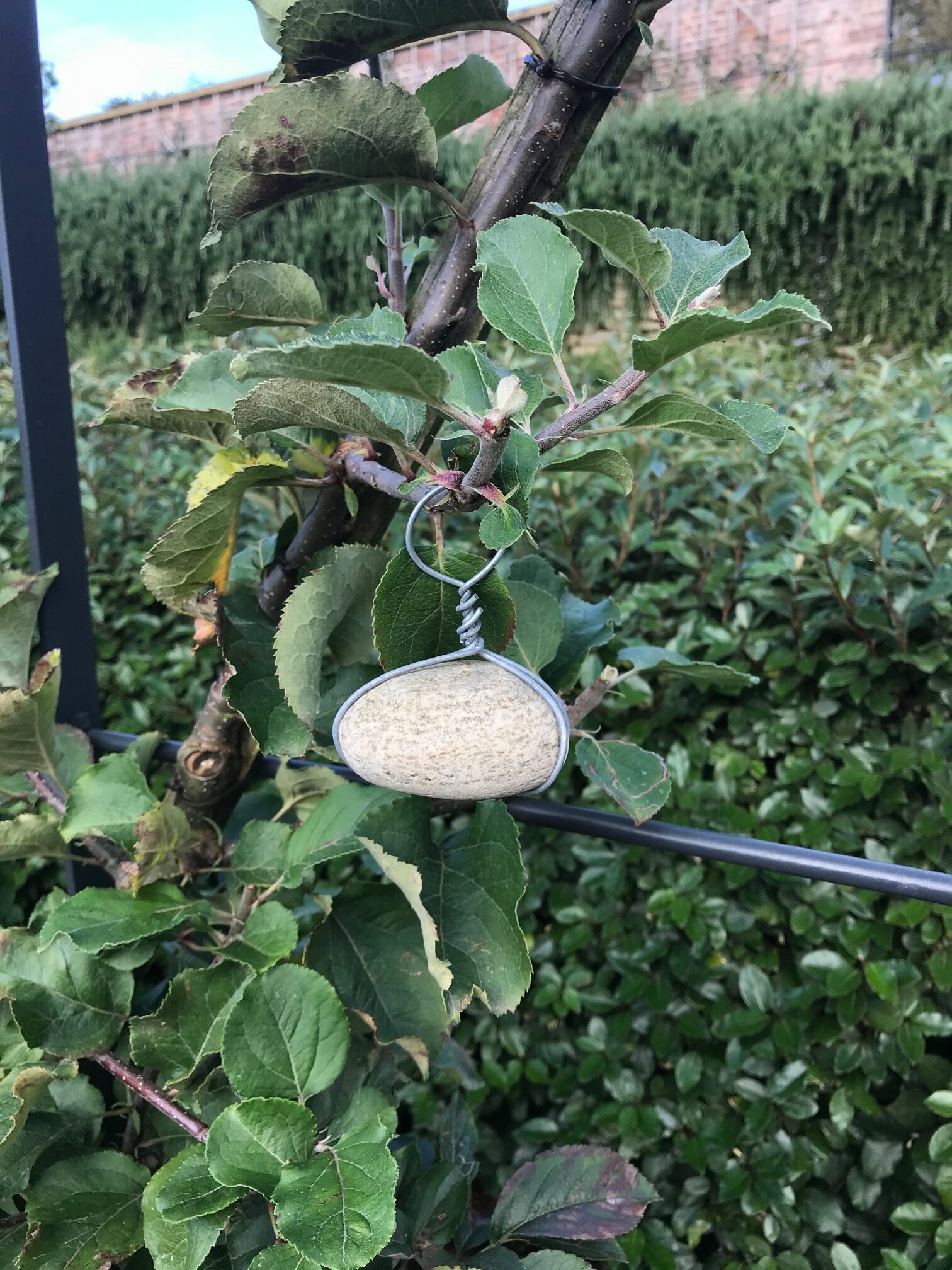
Gardening is an evolving hobby and every day is a school day. Sharing advice and receiving tips and ideas are all part of it. Making a note of useful tips and ideas is another great way to build a useful garden journal. You might tackle a new pruning technique. A journal allows you to keep notes on what you pruned and when? It’s a good way to record what you did and at what time of year. Then you can note the results and if it worked and gave good results you can diarise to do that again next year. You might try a different way to train your fruit trees and then keep an eye on the harvest and the results. In the same way, if you notice something eating your plants, make a note which plants affected and what the culprit is. What did you do? Did you let nature take over and watch the bluetits gather the grubs or did you do something else. What happened next is a useful update and something you can share or repeat this year. Finding natural controls for garden dilemmas is so much better for the environment. But if you do resort to using toxic chemicals keeping records is essential. Always make a note of what you use, what strength and which plants were treated. This is especially important if you have treated edible plants as there is a harvest interval that applies and advises you when it is safe to eat the plants.
Important events
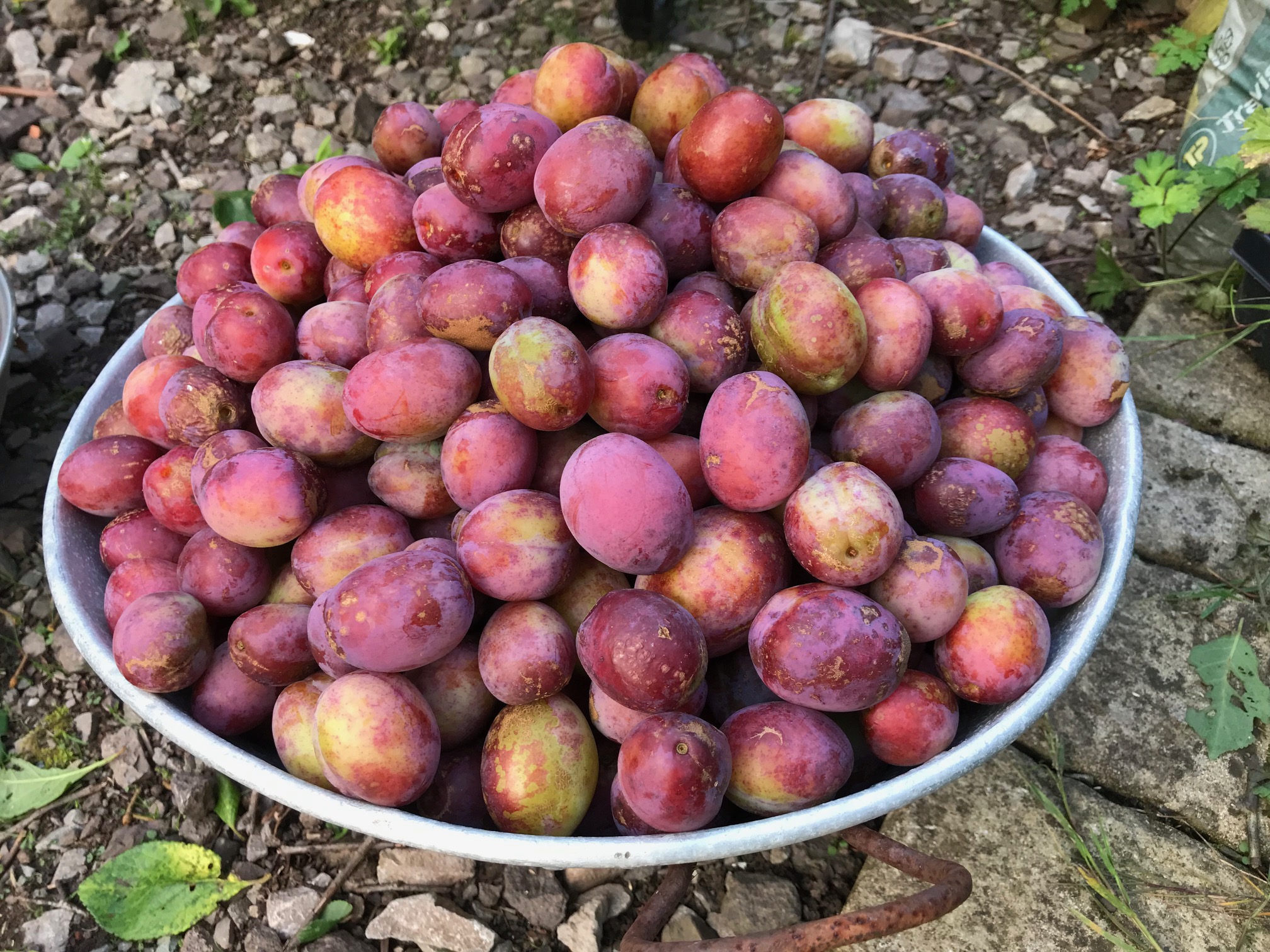
Last year was considered to be a ‘mast year’, which reputedly occurs every few years, when the trees and shrubs are loaded with berries, nuts, seeds and fruit. The excess feeds the wildlife but it also provided a wealth of fruit and nuts for us too. Thanks to the warm dry spring, our pollinators were able to forage freely on the nectar and pollen and as a result our fruit trees were well-pollinated and heavy with fruit. Information on which tree fruits ripened first, the best for flavour and which kept well are all really helpful snippets that can be so useful in the years to come. It might make you use up one tree’s fruit quickly, but keep another crop because it stored well through the winter. You might even find one plum that makes better jam than another, so notes and records can shape your future preservation plans. You might surprise yourself. I always thought my Victoria plums made the best jam, but actually the jam made with the purple plums of Marjorie’s Seedling was equally good.
In these days of high tech, we have so many ways to record information and make notes, but a decent garden journal, a diary or even just a note book is a great place to start. If you don’t want to write lots of notes, just staple in your seed packets and write anything down that you need or want to record. Keep it going and add important events, like major storms, floods or even a period of drought.