




Sow broad beans, spinach, cabbage, calabrese, kohlrabi, cauliflower, lettuce, peas for pods and shoots, onions, salad onions, turnip, radish, beetroot, leeks, leaf beat and chard under glass in pots or modules for later transplanting outdoors. Sow bunching onions, beetroot and round rooted carrots in pots for later transplanting outdoors.
From the middle of the month onwards, sow dill, basil, coriander, sweetcorn and tomatoes for later transplanting once the danger of frost has passed.
Sow melons, squash and cucumber seeds on edge in modules or 7.5cm pots of peat free multipurpose potting compost ready for planting out in May, again, once the danger of frost has passed. They can be germinated in a propagator at 15-18C (60-65F), keeping the compost moist with tepid water.
If there is a combination of warm days and cold nights, it’s a good time to sow parsley as the ‘highs and lows’ break the seed dormancy. Always use fresh seed as viability is short. Sow celeriac, spinach and turnip early in the month in peat free seed compost, or finely sieved multipurpose compost. Peas and beans can be sown in straight multipurpose compost.
Spare seed can be grown as fast-growing ‘microgreens’ in plastic takeaway containers, punctured with drainage holes, with 1cm of compost or two or three layers of kitchen towel in the base. Scatter seeds over the surface, making sure they don’t clump together. Keep them well watered and harvest with scissors when they’re around 5cm tall. You may get up to three crops, depending on the plant. Try fenugreek, brassicas, parsley, carrot leaves, radish and beetroot – it’s well worth experimenting just to see which combinations work best.
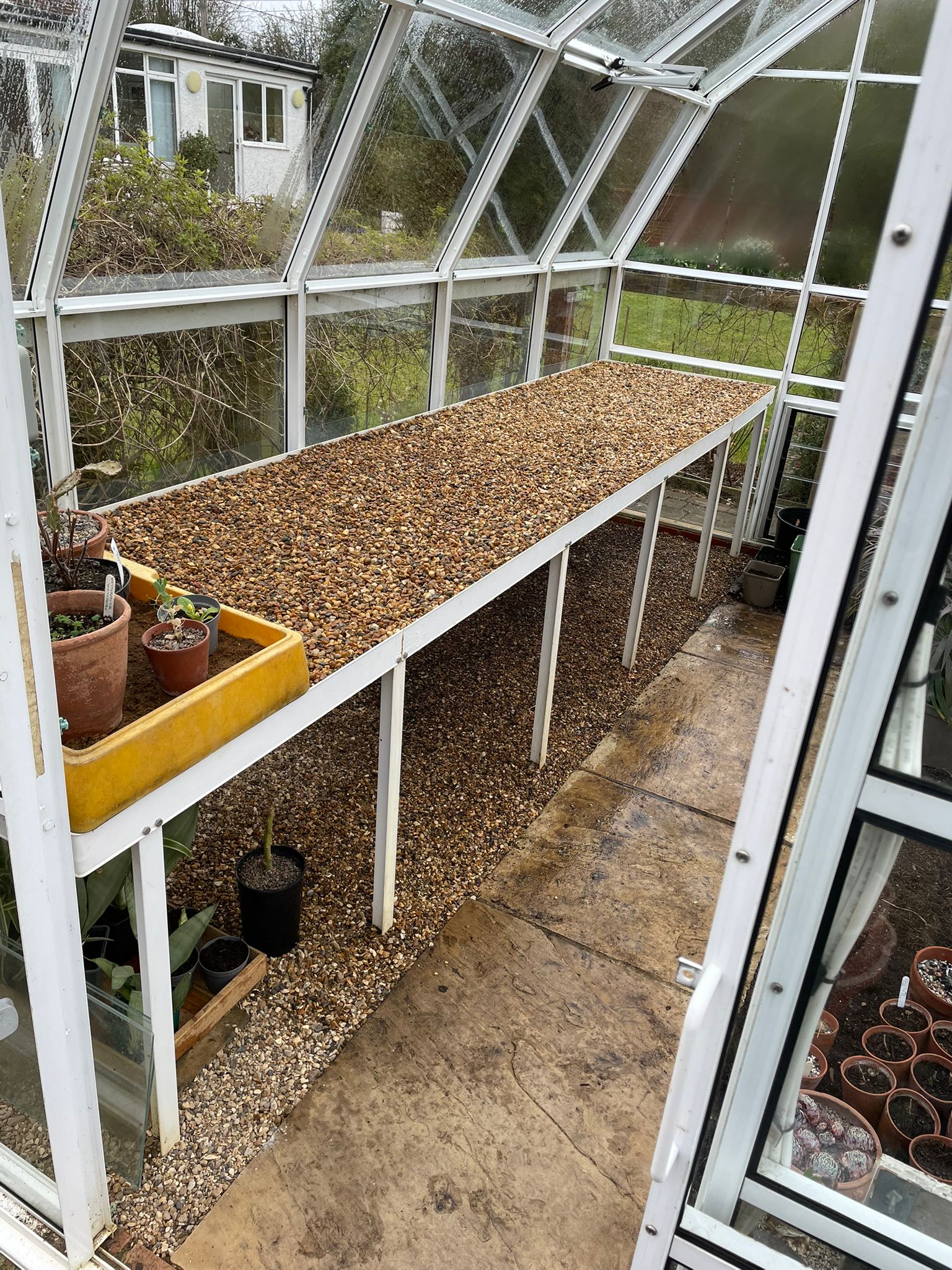
Keep the greenhouse well ventilated during warm periods – you may find yourself opening and closing the vents several times a day unless you have some auto vents, and cover tender plants with fleece at night if the greenhouse is unheated.
Repot tender plants into new peat free compost before they start into growth. Organic composts break down after a couple of years in warm conditions, so fresh compost is essential to replenish nutrients and maintain a good compost structure and growth. In the years you do not repot, remove the top 5cm of compost and top dress with new compost.
Tomato, aubergine, pepper and chilli plug plants will need potting on several times before moving to their final position in pots or the greenhouse border. Check root growth regularly as they are growing quickly and soon become pot bound.
If you are sowing half hardy ‘Morning Glory’/‘Ipomoea’, soak the seeds in tepid water for 24 hours then sow at 20C in small pots or modules, to avoid root disturbance when transplanting, then grow on in cooler conditions and ‘harden off’ when temperatures have increased. Be gentle as they are cold sensitive. If chilled, they display pale yellow or white leaves, growth is checked and they often don’t recover.
Happy Gardening. Take care and stay well.
Matt