


It’s a good time to repot citrus just before they start into growth. To keep my lemon tree at a manageable size, I tease the old compost gently from the roots, which are then trimmed back by about 1/3 and re-potted into peat free John Innes no 2 mixed with 20% horticultural grit for drainage. My containerised figs will be treated in a similar fashion but planted into John Innes no 3 leaving a gap between the compost surface and rim of the pot for watering. Once the weather warms in early June, they can go outside onto the patio, earlier if the weather is settled and the nights are warmer. One of the best for beginners is Citrus x limon ‘Linario’ or ‘Four Seasons’.
Peaches and nectarines flower early in the year, there are a few insects about, however, hand pollination guarantees a good crop. If you run your fingertip over the anthers and there is a dusting of pollen on your finger, carefully transfer the pollen from the anthers of one bloom to the stigma of another using a soft artists brush, or piece of cotton wool on a matchstick. Do this over several days to ensure that all of the flowers are pollinated, then look forward to a bumper crop in the summer.
Encourage dormant tuberous begonias into growth by putting them in seed trays and covering with equal parts John Innes no 2 and peat substitute, concave side uppermost. Water with tepid water/diluted environmentally friendly fungicide solution, cover with a sheet of newspaper and keep around 16-18C (60-65 deg F). Once the first shoots appear, remove the newspaper and move the tubers to the shade. If you don’t have a propagator, wait until late April before starting them off in a cool greenhouse.
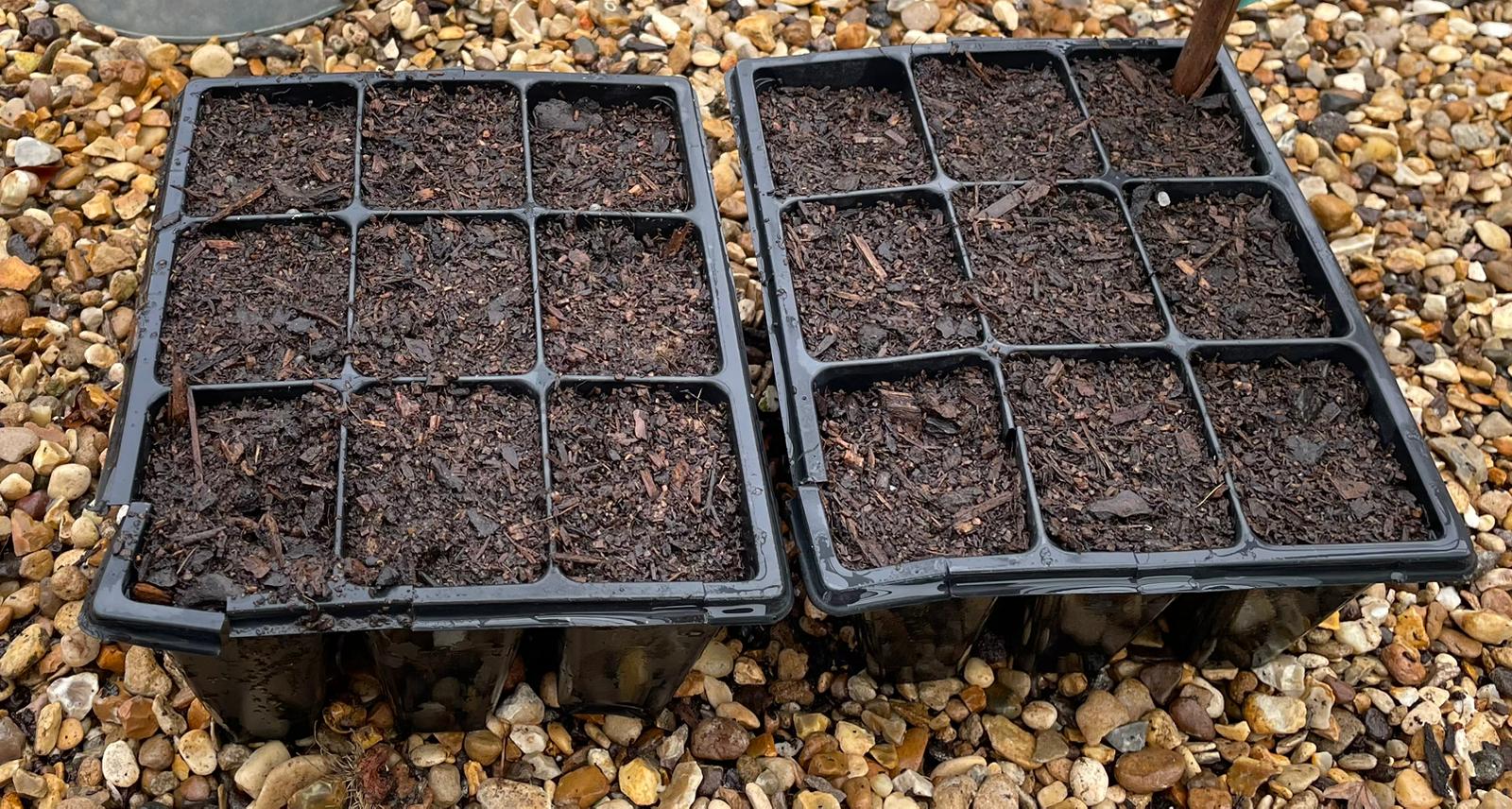
Parsnips and carrots, which resent root disturbance, can be sown in modules then transplanted before the roots become too large. Do this early in the month in the cardboard centres from kitchen towel, cut to about 10cm long, placed vertically in seed trays so they remain upright, filled with peat free multipurpose compost (some gardeners sow earlier, from early February depending where in the country you are). Sow three seeds per tube and thin to leave the strongest. I also sow round rooted beetroot and carrots around the edge of a 7.5cm pot (or a similar) for later ‘hardening off’ and transplanting, and harvesting when they reach the size of a golf ball. They develop like a cluster of eggs in a nest.
Sow peas in pots, ‘root trainers’ or sections of guttering cut to a manageable length – usually the width of the vegetable bed, in peat free multipurpose compost in a repeat pattern like a ‘5’ on a dice. Transplant when the seedlings are 5-7.5cm high by watering the compost well, adding a little washing up detergent to the water. Lift one end of the guttering, slide the peas and compost gently down into a shallow pre-dug trench of a similar profile and gently firm. Protect them from pigeons with netting with the netting always a distance above and either side of the plants.
Sow salads like lettuce, spinach and chard for early crops as they will germinate before the soil is warm outdoors.
Happy gardening. Matt