



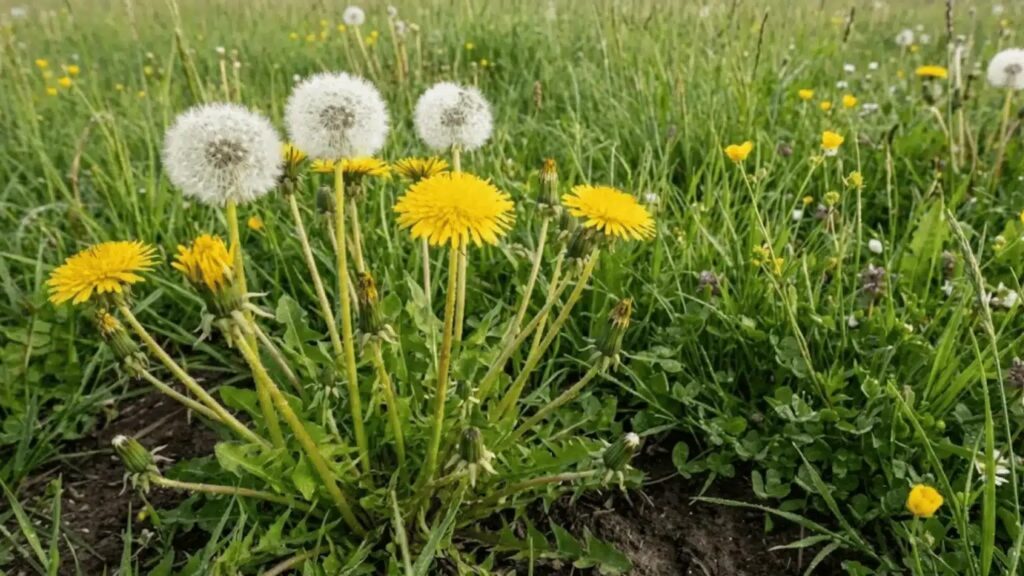
Writing this during the May’s closing days, after winter’s final hurrah (I hope, but this is Colorado and it’s a bit dodgy to count on it), my neighbors and I have been digging out dandelions in the faint hope of eliminating them from our lawns and gardens. It would be nice if the flowers were, as some think, good forage for bees, but that is wrong: dandelion pollen has low quality pollen and is more akin to snack food than a three-course dinner. However, the deep rooted dandelion is good for soil, the roots spread and aerate even the most compacted soil, in that respect they can actually be good for a lawn.
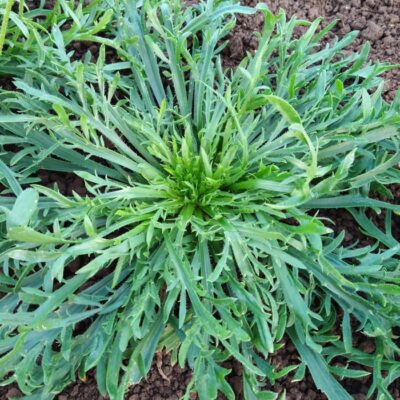
The leaves, however, are a different story. One of the best salads I ever enjoyed was freshly picked from the field behind the Tuscan osteria where we had stopped for lunch. Insalata di campo is composed of fresh wild herbs that were coming into season on early spring; arugula, lamb’s ears, wild fennel, raddichio and salad burnet (tasting slightly of cucumber) and tiny dandelion leaves, dressed lightly with olive oil and lemon. Spring on a plate. One of the plants used is known as Erba stella ‘Minutina’, a small-growing plantain of sorts with long almost juicy leaves that are at their best in early May. I was so pleased when I found seed for it at a garden store in Florence, only to then find it growing wild along the dunes on the North Norfolk cost, which should’ve cautioned me not to sow it in the kitchen garden was it was soon overrun with ‘Minutina’ … thick as stars in the Milky Way.
Culinary and Salad Herbs is a charming little book, compiled by Eleanour Sinclair Rohde and published in England during the rationed years of World War 2. Even today it is a good guide making do, calling up ancient wisdom about the edibility of the wild plants of field and hedgerow to supplement the cabbage and root vegetable diets of the time. Rohde seems to have owned the list of books about garden lore and historic practice. In this book she describes how in the herbal Ortus Sanitatus, 1485, dandelion is described as being much used by a surgeon of the time who called it “Dens leonis” or lion’s teeth. The leaves, she writes, of wild dandelions “are as a rule, very tough, but when cultivated, the young leaves are very tender and good in salads, or may be blanched like spinach and served with a grating of nutmeg and lemon juice. Mature leaves were used to make dandelion tea, good for “liverish people”. I think that meant it was good for relieving overindulgence of food or cocktails! Dandelion is rich in Vitamin A and has four times as much Vitamin C as spinach and a bit more iron than the later. Dandelion is rich in potassium, something it has in common with other bitter-leaved greens like endive.
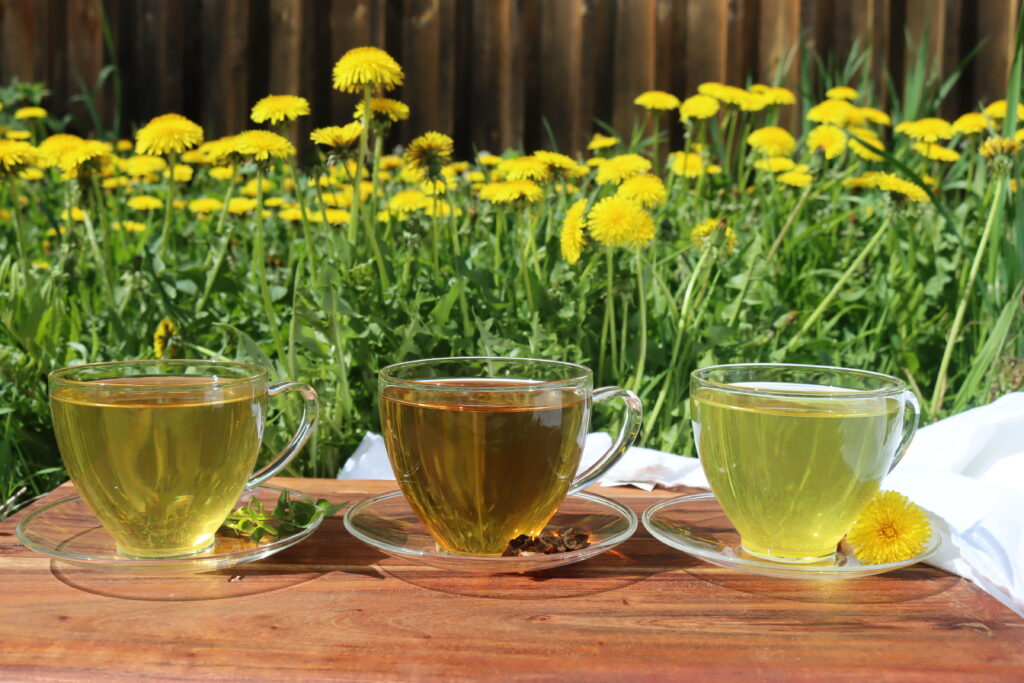
While dandelions formed a part of the rationing diet, by the mid-1950s, gardening pundits were advising the home gardener to use “new chemicals” such as a 50/50 mixture of 2 4 5-T and 2,4-D to attack the yellow-flowered weed disfiguring their green sward around their suburban home. “Every protection”, wrote George T. Kelly in Good Gardens in the Sunshine States “should be taken to protect susceptible plants which you do not want to be killed.” He makes no mention of susceptible persons including the gardener, but looks forward to the introduction of powerful new and better weedkillers on the market. Fortunately, we’ve come a long way since and learned the hard way what havoc such lethal interventions can wreak on the natural life of the planet. How much better it can be to enjoy a soothing cup of dandelion tea after the exercise of hand-weeding the garden patch.
If you want to try Erba stella in your garden, Italian seed is available from https://www.adaptiveseeds.com/product/vegetables/greens/plantain-buck-s-horn-organic/
A good article about the nourishing teas to be made from dandelions, check out https://adamantkitchen.com/dandelion-tea/